

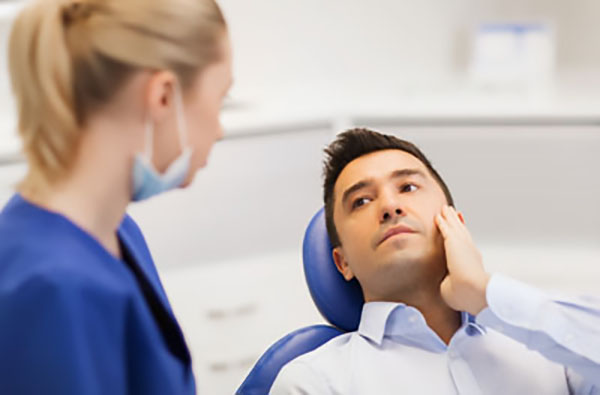
Understanding the different types of dentistry services a general dentist can provide for their patients is important. While many people think that general dentists only offer general dentistry services, many also offer cosmetic dentistry services. Fixing a chipped tooth is both a general and cosmetic service.
Choosing a general dentist can benefit all dental patients
A general dentist is a very versatile type of dental professional, making them a popular option for treating a wide variety of dental needs. Since fixing chipped teeth is one of the more common treatments general dentists perform on their patients, they are often the go-to dentist for repairing imperfections as such.
Chipped teeth
When a patient has a chipped tooth, it means that they are in need of dental services in order to repair the chip. Even though the enamel of a tooth is the hardest tissue in the body, it is still possible to chip a tooth. Two of the more common reasons why someone would experience a chipped tooth is because they ate something hard or because they experienced an injury. While any tooth can potentially chip, weak or damaged teeth are much more likely to chip.
As soon as someone notices that one or more of their teeth are chipped, it is essential to make a dental appointment right away. Those who wait to visit a general dentist in order to repair any chips in their teeth will often experience more damage, making the problem worse. It is also a possibility that the tooth can become infected, requiring one to undergo root canal therapy in order to repair the tooth.
How chips in teeth are treated
There are a few different ways that a general dentist can treat a chipped tooth. One option is to use dental bonding, a composite material that is placed over the chip in order to repair it and make the tooth strong once again. Another option is using dental veneers to cover up the chip, which can be used to treat mild to moderate chips. Dental crowns are a third option for treating chipped teeth and are commonly used to treat severe chips. Dental onlays are a fourth option for treating severe chips, as onlays are a form of indirect restoration that helps keep a damaged tooth intact.
Depending on the treatment method used to repair a chipped tooth will determine how many dental visits one needs to make in order to restore their oral health. For example, dental bonding usually requires only one dental visit. Dental veneers, dental crowns and dental onlays often require patients to make two different visits to their general dentist.
Have chipped teeth?
Ready to make an appointment with a general dentist for chipped teeth repair? Now that the above information has been read, it should be understood how chips are repaired. Treating chips in teeth is important, as the chip will eventually lead to additional damage. Damaged teeth do not support good oral health, making chip repairs from a general dentist essential.
Are you considering visiting a general dentist in the Cleburne area? Get more information at https://www.nolanriverdentalcenter.com.
Check out what others are saying about our services on Yelp: Read our Yelp reviews.
Related Posts
How Long Does a Dental Filling Last?
A dental filling can repair a tooth after decay and help prevent the cavity from getting larger. However, how long a filling can do its job depends on the material, the size …
How an Emergency Dentist Addresses a Dislodged Tooth
An emergency dentist can provide urgent care when an accident causes a tooth to loosen, shift, or come completely out of its socket. A dislodged tooth needs prompt attention because prompt treatment …
How Smoking and Tobacco Use Can Affect Your Teeth Whitening Treatment
It is no secret that professional teeth whitening can achieve a significantly brighter smile. Still, certain lifestyle choices, such as tobacco use, often pose significant obstacles to maintaining those results over time. …
Why You May Have to Visit a Family Dentist More Than Twice a Year
Most people grow up hearing that dental care means one checkup with a family dentist every six months. While that schedule works well for many patients, it is not the right fit …
