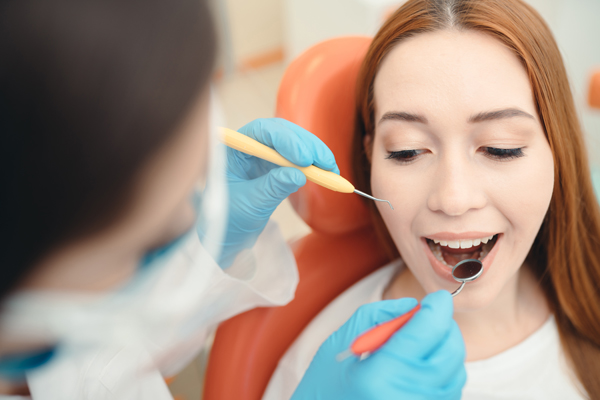
A dental filling can repair a tooth after decay and help prevent the cavity from getting larger. However, how long a filling can do its job depends on the material, the size and location of the cavity, daily habits, and routine dental care. Learning more about fillings can help yours last as long as possible.
The lifespan of dental fillings: Material matters
The material used for a dental filling can influence how long it lasts. For example, composite resin fillings are tooth-colored and can match the shade of natural enamel. Many patients choose this option because it blends well with the smile. Composite fillings often work well for small to moderate cavities and may last up to 10 years with good care.
Silver amalgam fillings are another option. They use a durable metal mixture (alloy) and can handle strong chewing forces. A dentist may recommend this filling for molars or other back teeth that do more heavy chewing. While amalgam does not match natural tooth color, it can offer reliable strength. They can last up to 15 years.
Gold fillings may last even longer — up to 30 years. However, these options often require a more customized process and may suit teeth that need additional strength or a more durable restoration. They are also gold in color, so they do not blend with natural enamel.
Recognizing signs of wear
A dental filling may need evaluation if it starts to feel different or causes discomfort. Common signs that a filling may need attention include:
- Sensitivity to hot, cold, or sweet foods
- Pain when biting or chewing
- A rough, sharp, or jagged edge on the tooth
- A visible crack, chip, or missing piece of the filling
- Food gets caught around the filling more often
- A filling that feels loose or uneven
These symptoms do not always mean the tooth has a serious problem, but they do deserve a dental exam. Prompt care can help the dentist repair or replace the filling before the tooth becomes more vulnerable.
How to help a dental filling last longer
There are several ways to protect a dental filling and help it last as long as possible. Explore them below.
Consistent oral hygiene
Daily oral hygiene plays a major role in how long a filling lasts. Brushing twice a day and flossing once a day help remove plaque around the edges of the filling. This matters because decay can still form in the natural tooth structure around the restoration. The edge where the filling meets the tooth (the margin) needs special attention. If plaque remains in that area, bacteria can weaken the enamel and create a new cavity.
Diet and other habits
Food choices can affect both the tooth and the dental filling. Sticky foods may pull at a filling, while very hard foods can place extra pressure on the restoration. Similarly, certain habits can chip, crack, or loosen a filling. Examples include chewing ice, biting hard candy, or using teeth to open packaging. Avoid these food choices and habits when possible.
Professional dental care
Regular dental checkups give a dentist the chance to examine each dental filling closely. They can check for small cracks, worn edges, gaps, or signs of new decay around the restoration, even before symptoms occur. Professional cleanings also remove hardened tartar that brushing and flossing cannot remove at home, protecting the teeth and gums around the filling.
Taking the next steps for oral health
A dental filling can last for many years when patients protect it with proper care. A dentist can support the patient's efforts through regular dental care, as well. For more information, contact Nolan River Dental Center today.
Request an appointment here: https://www.nolanriverdentalcenter.com or call Nolan River Dental Center at (817) 517-6453 for an appointment in our Cleburne office.
Check out what others are saying about our services on Yelp: Dental Filling in Cleburne, TX.
Related Posts
September 1, 2025 Dental fillings restore teeth affected by decay, preventing further deterioration and maintaining oral health. However, fillings are not indestructible; they can become damaged due to wear and tear, chewing on hard objects, …
April 1, 2024 Dental fillings typically last between 10 and 12 years before they are more vulnerable to coming loose and requiring special dental care to be repaired. This review discusses how a dentist can …
August 2, 2023
The most popular way to treat cavities is with dental fillings. Cavities are holes in the teeth caused by decay, often from overindulgence in sugary foods and drinks like candy and …
June 2, 2018
You may need dental fillings if you develop tooth decay or undergo root canal therapy. If the decay reaches your nerves, the dentist may treat it via root canal therapy or through pulp capping.During pulp …